


Marcelo Esperon describes himself in simple terms: family man, dentist, motorcyclist, photographer. But behind those words is a life built around caring for others, navigating challenges with quiet courage, and finding beauty in everyday moments.
Early Days in Argentina
He was born in Buenos Aires in 1970 and now lives in Belgrano R, a small, tree-lined neighborhood where the streets feel familiar and the faces are often the same. Marcelo is married to Alejandra and is a proud father of two children; his family is the center of every decision he makes. Dentistry is his profession, motorcycles are his way to relax, and photography is the thread that ties his worlds together.
Marcelo picked up a camera more than three decades ago, long before social media and digital sensors. In the beginning, he chose compact, point‑and‑shoot cameras that could survive long rides on his motorcycle — small, reliable tools that didn’t demand attention or take him out of the moment. Later, when he began teaching dentistry courses, he bought a Nikon FM and a 100mm macro lens so he could document clinical cases. Today, he still gravitates toward longer focal lengths — 50mm, 56mm, 35mm — paired with Fujifilm mirrorless cameras, because they reflect the way his eye has learned to frame the world.
The Things That Make Us Stronger
Photography, however, is more than technical choices and favorite lenses. For Marcelo, it is a lifeline. When his second son was born with respiratory failure and a difficult prognosis, the hospital corridors felt endless and heavy. Marcelo brought a compact digital camera and began documenting everything they lived through, frame by frame. The act of photographing gave him something to hold onto; it kept him focused on the ending he wanted for that story — his son healthy, his family whole.


He believed in that happy ending so fiercely that he kept shooting as a way to stay present and strong. Today, his son is 22 years old, living proof that hope and care can carry a family through the hardest seasons.
That experience changed the way Marcelo approached photography. He had started with documentary work, pointing his camera at situations (like those depicted below) that were often fragile or unresolved. He turned to portraiture, aiming to show people in an almost epic light — strong, resilient, and full of dignity.


At the same time, his love for motorcycles and the streets of Buenos Aires made street photography and motorcycle travel an ideal canvas. In the hum of the city, in the long stretches of road, he found the stories that truly inspire him.
Developing a Personal Style
Marcelo’s relationship with photography is deeply personal, but it also naturally extends into his everyday life. He always carries a camera. He publishes some images, but many remain tucked away on memory cards like quiet family albums, waiting for the day when they will be revisited and shared. Those photographs are not just art; they are a record of love and ordinary joy, a way for his family to remember where they have been, together.
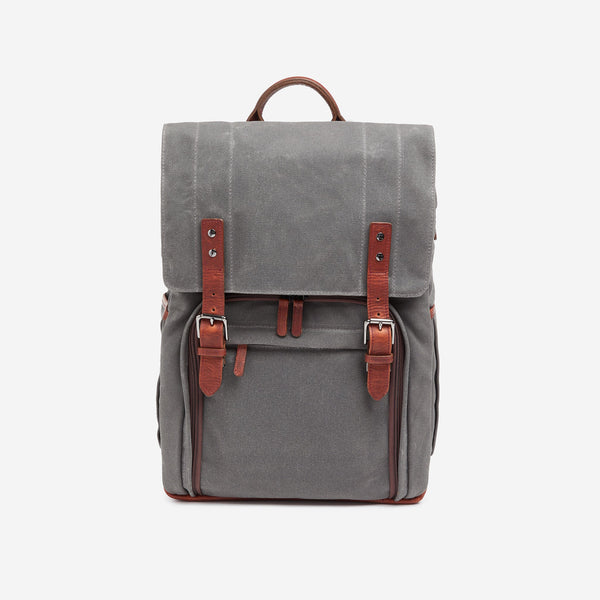
The tools he chooses reflect his desire for balance between function and discretion. Marcelo never liked traditional camera bags: they were bulky, shouted their purpose, and felt like security risks in everyday life. He wanted something that could protect his equipment without drawing attention, and that would look in keeping with the clothes he wears. Twelve years ago, walking through a camera store in New York, he saw an ONA Bowery bag on a shelf and instantly recognized that it was different. He bought it, and, as he says, there was no going back.

For Marcelo, his ONA bags are more than accessories; they are an extension of his personal brand — quiet, practical, and thoughtfully designed. He prefers tools that don’t scream with their logos or try too hard to be noticed. ONA fits that philosophy perfectly: the bags are beautiful, understated, and they blend seamlessly into his daily routine.
On his motorcycle, that combination of craft and practicality becomes essential. The Prince Street bag is his trusted companion. He carries everything he needs in it, with the weight resting naturally on the motorcycle’s passenger seat while the cross‑body strap keeps it secure. When he sees a moment he wants to capture, he simply swings the bag to the front and reaches for his camera. In that rhythm — ride, notice, stop, shoot — Marcelo’s worlds of motion and stillness meet.
Always Learning More
Dentistry remains at the heart of his professional life. Technology has transformed how he works, how he teaches, and how he cares for his patients. He divides his time between improving as a dentist and growing as a photographer, and he sees surprising parallels between the two disciplines. Both require precision, a calm temperament, and the ability to truly see the person in front of you.
Marcelo does not have a fixed “typical day,” but there is a familiar pattern to his week. From Tuesday to Thursday, he is in his dental office in Buenos Aires, a city he loves for its energy and character. He takes public transportation to work, always with a camera at his side, because the streets constantly offer scenes worth capturing. After work, he might ride his motorcycle to a café or take his dogs for a walk, again the photographer.
Marcelo is focused on continuing to grow in both dentistry and photography. In photography, his greatest challenge is to keep improving while resisting the pressure of social media trends. He wants to adapt to change, but not at the expense of his own personality and vision. Above all, he wants his work — whether in the clinic or behind the camera — to reflect care, resilience, and the quiet joy of a life built around family.
In each image he creates and each patient he treats, Marcelo’s goal is simple: to honor the people he loves, and to keep telling the story of a family that made it through the hard moments together.